

Stepping Into the Unknown
When Trevor Peters joined OKSI through a DoD SkillBridge internship, he brought with him a strong foundation from his service as a Military Police Officer in the U.S. Army, where attention to detail, accountability, and disciplined execution were core to his role.
During his transition into cybersecurity and compliance, Trevor stepped into a program that was actively evolving and scaling its CMMC efforts. As internal roles shifted, as an intern, he took on expanded responsibility across IT, cybersecurity, and compliance, leading ongoing work that was already in motion. This included contributing to the maturation of logging practices, documentation efforts, and progress toward completing more than 300 assessment objectives on the path to CMMC certification.
Turning Chaos Into a System
What changed everything was structure.
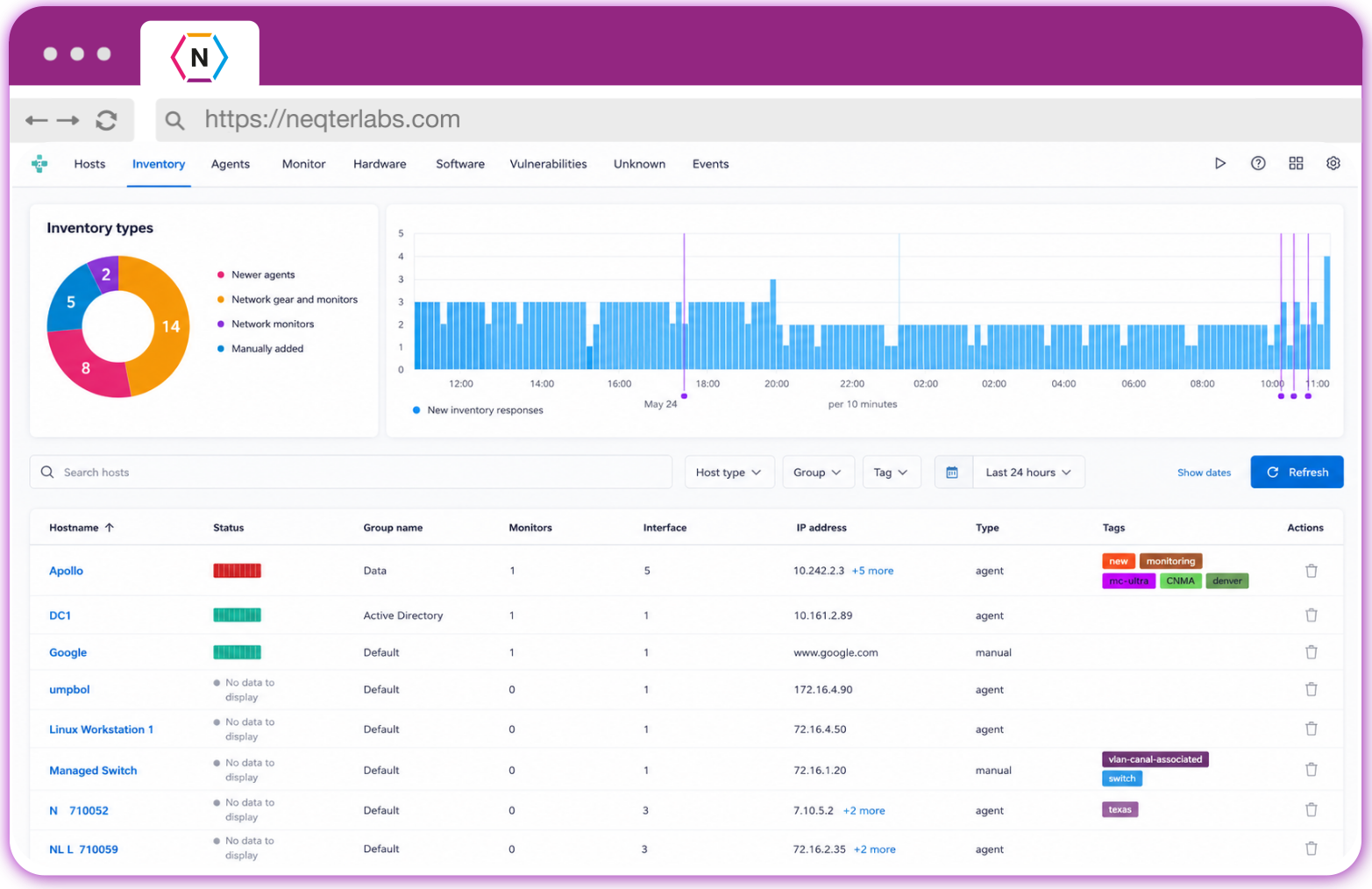
As Trevor leaned into NeQter Labs, the platform became more than just a tool, it became the framework for the entire program. Quarterly check-ins and hands-on guidance from the NeQter support team and compliance experts helped him understand not just what to do, but how to do it correctly.
The biggest shift came through the SSP module, now relaunched as NeQter Comply. Instead of guessing how to document controls or interpret requirements, Trevor could build directly within a system designed around CMMC.
“I really hope more people find out about the NeQter documentation tool… It is by far the most valuable tool that I have in my arsenal.“
At the same time, NeQter’s SIEM gave him visibility he didn’t have before. With no centralized logging prior, he was now able to monitor activity, validate controls, and prepare for how he would eventually prove compliance.
Proving It Under Pressure
As the audit approached, Trevor worked through both the mock and final assessment, ensuring consistency in expectations. The mock revealed an important insight: assessors didn’t just want artifacts, they wanted proof.
So Trevor adapted. He built a simple “cheat sheet” that mapped log events to plain-English explanations, allowing him to quickly demonstrate controls live in NeQter. Instead of relying on static screenshots, he showed real activity in real time, exactly how assessors preferred to validate controls.
At the same time, his System Security Plan, exported directly from NeQter, set the tone from the start. It was clear, structured, and complete, giving assessors immediate confidence in the program before the deep dive even began.
“I felt extremely confident going in. Right from the start, I received strong feedback on my documentation. During the initial kickoff phase—where they assess whether you’re ready to proceed or need more preparation—I got the same response for both my mock and live assessments. They told me that if my environment matched even half of what was documented, I’d be in very good shape.”
The Outcome…and What Comes Next
Sixteen months after starting as an intern, Trevor led the organization to CMMC Level 2 certification with zero findings.
The impact was immediate. The company maintained its DoD eligibility, won new contracts, and significantly strengthened its security posture. Internally, what once felt overwhelming became operational. Today, compliance is part of the daily rhythm, about an hour a day for Trevor, with his small but strong team supporting ongoing maintenance, while NeQter continues to cut logging and auditing effort roughly in half. But the bigger shift is forward-looking. Trevor is now focused on maintaining that standard over time, avoiding compliance drift, and preparing for what’s next, potentially CMMC Level 3. Instead of starting over, he’s building on the foundation he created.
“I identified pretty early on that getting our L2 certification was more accurately described as just getting started, instead of crossing the finish line.”
What started as a compliance requirement has become a real security program.
Why This Worked
Trevor’s journey proves that success in CMMC isn’t about where you start; it’s about how you’re enabled. NeQter Labs worked because it brought structure to complexity, turned requirements into action, and connected documentation to real system activity. Combined with hands-on support, it gave someone with no prior experience the ability to build, manage, and prove a complete compliance program. From intern to certification, the difference wasn’t just effort. It was having the right system behind it.